
Cooking Tips
How to Store Cakes, Biscuits and Bakes Properly
Learn how to store cakes, biscuits and other home bakes at room temperature, in the fridge or freezer while protecting texture and freshness.
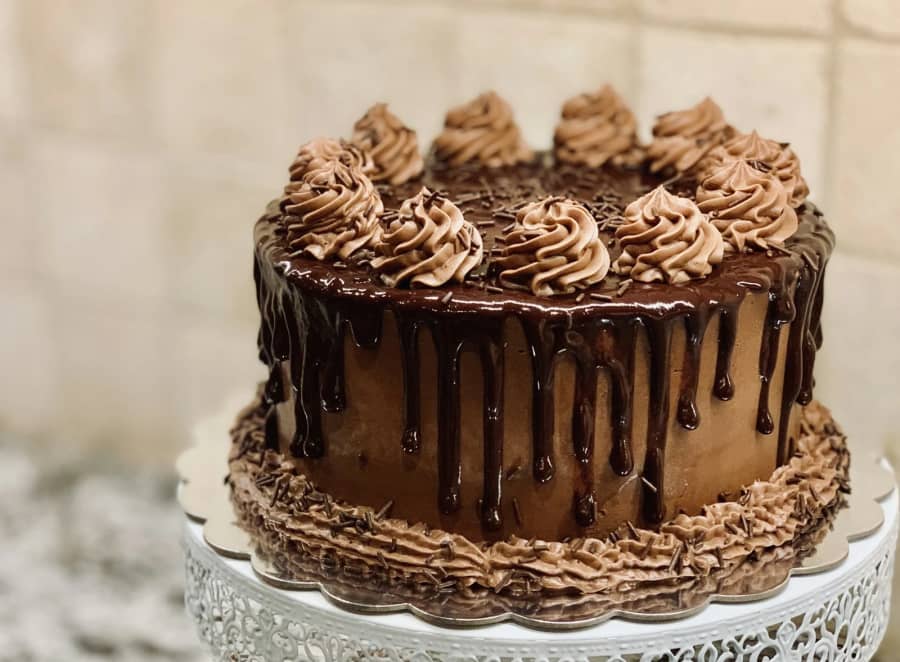
A plain sponge and a cake filled with fresh cream may use similar cake layers, but they should not automatically be stored in the same way.
Once baking is finished, the right storage method depends on more than the name of the bake. You need to consider what is inside it, whether it has been cut, whether you are trying to preserve a soft or crisp texture, and whether any filling or topping needs refrigeration.
For anything perishable, food safety comes first. For everything else, the main job is usually controlling exposure to air and moisture.
Where should your bake go?
This is a useful starting point rather than a fixed storage chart.
| Bake | Usual starting point | Main thing to protect |
|---|---|---|
| Plain sponge or loaf cake | Covered at room temperature when appropriate | Soft crumb |
| Cake with a perishable filling or topping | Refrigerate as required | Food safety |
| Crisp biscuits | Dry, airtight container | Crisp texture |
| Soft cookies | Close-fitting container | Moist, soft texture |
| Brownies or traybakes | Covered container, depending on recipe and topping | Moisture and cut edges |
| Fruit cake | Follow the specific recipe | Texture and intended ageing |
| Filled pastry | Follow the filling's requirements | Food safety and texture |
The recipe and the ingredients used should always take priority over a general storage suggestion.
Why texture changes after baking
A bake continues changing after it cools.
A cut sponge loses moisture from its exposed crumb. Crisp biscuits can absorb moisture from humid air and gradually soften. A cake stored in the fridge may feel firmer when cold because both its fat and crumb behave differently at a lower temperature.
This is why the container matters.
For a soft cake, you usually want to reduce unnecessary exposure to air.
For a crisp biscuit, you want to protect it from moisture in the surrounding air.
The same container can therefore be helpful for completely different reasons.
Let cakes cool before covering them
Do not rush a warm cake straight into a sealed container.
A freshly baked cake is still releasing heat and moisture. If it is enclosed while warm, condensation can collect inside the container and leave the surface damp or sticky.
Let the cake cool as the recipe instructs before packing it away.
Once a plain sponge, loaf cake or similar non-perishable bake is fully cool, keep it well covered.
That might mean:
- a cake tin
- a cake dome
- a close-fitting food container
- suitable wrapping
The aim is not to compress the cake. It is simply to stop the crumb sitting exposed to dry air. If your cakes lose softness rapidly or feel crumbly within a day, take a look at our troubleshooting guide on Why Is My Cake Dry? Common Causes and Fixes.
A cut cake needs more protection than a whole one
The inside of an uncut cake is naturally protected by its crust.
Once you cut a slice, the soft crumb is directly exposed.
That cut surface can become firm and dry before the rest of the cake noticeably changes.
Keep the exposed section covered as well as the rest of the cake. A close-fitting container or suitable wrapping can help reduce air exposure.
If you do not need to portion the entire cake in advance, leaving the remaining cake whole also reduces the amount of crumb exposed at once.
This matters particularly with simple sponge cakes where softness is part of the appeal.
The filling can completely change the storage rule
A plain cake may not need refrigeration, but adding a perishable filling changes the decision.
Examples can include cakes containing:
- fresh cream
- custard
- cream-cheese-based fillings or toppings
- other ingredients labelled as requiring refrigeration
In these cases, follow the storage requirements of the most perishable component.
If the recipe or ingredient packaging tells you to refrigerate the filling, the completed cake needs appropriate chilled storage too.
Do not keep a cake at room temperature simply because the sponge itself would have been fine there.
Cold cake can sometimes taste firmer than cake served at room temperature, but that is a texture issue. It does not override the storage requirements of a perishable filling.
Follow the recipe's serving and storage instructions rather than inventing a room-temperature period for a chilled cake.
Buttercream and icing do not all follow one rule
It is tempting to treat every iced cake as a single category, but icing recipes vary considerably.
A cake might be covered with:
- traditional buttercream
- ganache
- glaze
- cream-cheese frosting
- whipped cream
- an icing containing other fresh ingredients
Those do not necessarily have the same storage requirements.
Some buttercream-style and ganache recipes may be suitable for cool room-temperature storage, while others may need refrigeration because of their formulation, the room conditions or another filling in the cake.
Check the complete recipe.
The safest decision is based on everything in the finished cake, not simply the fact that the outside is iced. The choice of fat in your frosting also influences firmness at room temperature vs chilled storage; read our comparison on Butter vs Margarine for Baking: Which Should You Use? to understand how different fats behave.
Crisp biscuits and soft cookies need different treatment
Putting every biscuit into the same tin sounds convenient, but texture matters.
Crisp biscuits
A crisp biscuit needs protection from moisture.
Let biscuits cool completely before putting them away. Sealing warm biscuits traps moisture in the container and can soften the texture you were trying to preserve.
Once cool, move them into a clean, dry, airtight container.
That helps protect their snap from humid kitchen air.
Soft and chewy cookies
A soft cookie is supposed to retain more moisture.
Its storage goal is therefore different from that of a crisp biscuit.
Keeping very soft cookies and very crisp biscuits in the same container is not ideal. Moisture can move between them, gradually softening the crisp biscuits and changing the texture of the softer bake as well.
If texture matters, store noticeably different types separately.
Brownies need protection at the cut edges
Brownies are another case where the exact recipe matters.
A fudgy brownie has a very different texture from a light, cakey traybake, but both begin losing moisture once cut.
After the bake has cooled as directed by the recipe, keep leftovers properly covered.
Pay particular attention to exposed edges.
A close-fitting container helps reduce unnecessary drying.
Toppings can change the storage requirement completely.
A plain brownie may have one appropriate storage method, while a version topped with something that requires chilling must follow the topping's requirements.
Do not assume every brownie belongs in the fridge or every brownie belongs on the worktop.
Fruit cake does not behave like an ordinary sponge
Rich fruit cakes are worth treating separately.
Their ingredient balance and density can give them very different keeping qualities from a light sponge.
Some recipes are also specifically written for:
- ageing
- feeding
- decorating later
- longer storage
That means a generic instruction for an ordinary cake may be completely unsuitable.
Follow the particular fruit-cake recipe if it gives instructions for wrapping, ageing or long-term storage.
Icing and fillings can also change those instructions.
The words "fruit cake" alone are not enough to decide where it belongs.
Pastry creates a texture versus safety trade-off
Plain, crisp pastry generally benefits from protection against humidity because moisture quickly affects its texture.
Filled pastry can be different.
Once pastry contains fresh cream, custard or another filling that needs chilled storage, the filling determines where the finished item belongs.
Refrigeration may soften a crisp pastry shell.
That is a quality trade-off, not a reason to leave a perishable filling unrefrigerated.
This is a useful principle throughout baking:
Food safety decides where the bake must be stored. Texture decides how you protect it within those limits.
Does putting cake in the fridge make it dry?
Refrigeration can make some plain cakes feel firmer and less soft than they do at room temperature.
That does not mean a fridge should never be used.
The important question is whether refrigeration is actually required.
For a simple plain cake with no ingredient that needs chilling, keeping it well covered at an appropriate room temperature may preserve the preferred eating texture.
For a cake with a perishable filling, refrigeration is still the correct choice even if the crumb becomes firmer.
Do not sacrifice safe storage in an attempt to keep a sponge softer.
Freezing can be useful when you have too much to eat soon
Many simple cakes and other home bakes can be frozen successfully, although the result after thawing depends on the recipe.
Before freezing:
- Let the bake cool fully.
- Protect it well from air.
- Divide it into useful portions if that makes sense.
- Label the package with what it contains and the date.
Do not wrap a bake while it is still warm. Cooling first reduces condensation and helps protect the quality of the food during freezing.
Plain sponge layers are often simpler to freeze than a fully assembled cake containing delicate decorations or perishable fillings.
Brownies, some cookies and other simple bakes may also freeze well, depending on the recipe.
There is no need to assume every icing or filling will behave the same after freezing and thawing.
If a recipe gives its own freezing and thawing instructions, use those.
Freezing is useful for slowing quality loss, but it does not guarantee that every bake will return to exactly its original texture.
Some bakes are better kept apart
Separate storage can prevent one bake from changing another.
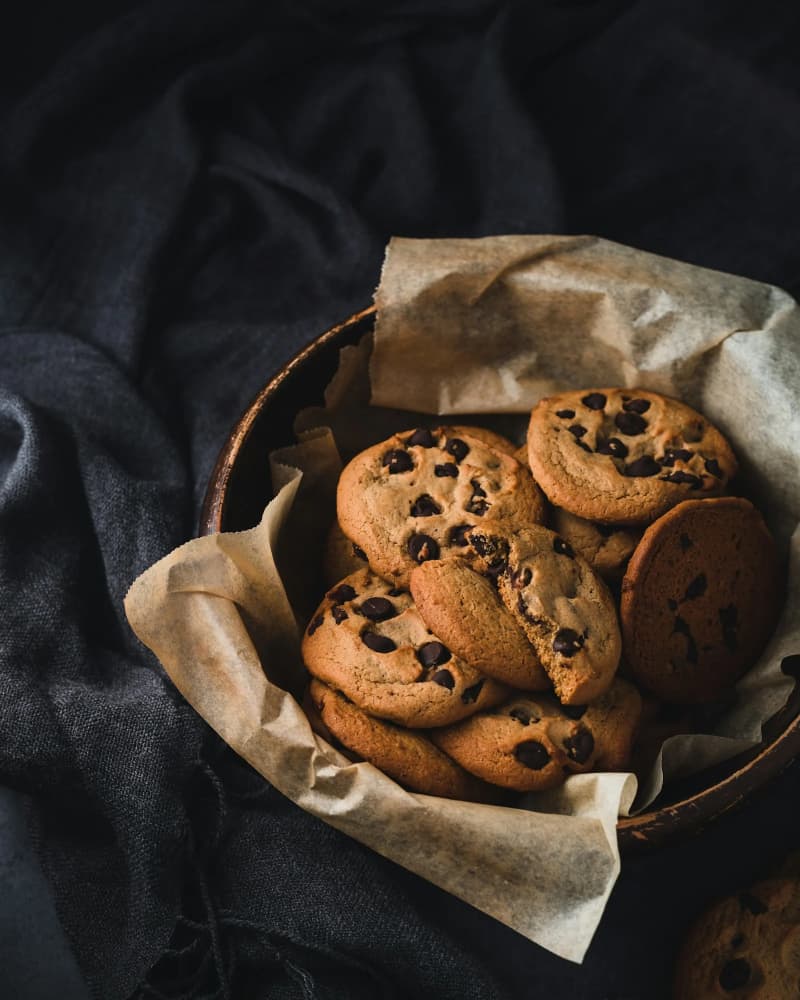
Crisp and moist bakes
Do not pack a crisp biscuit beside a moist cookie or cake slice if preserving the original textures matters.
Strong and delicate flavours
Closely packed foods can sometimes pick up aromas from one another, particularly during longer fridge or freezer storage.
Warm and cooled food
Do not seal a newly baked warm item into the same container as something already cooled. The added warmth and moisture can create condensation.
Exposed cake in the fridge
Cold moving air can dry an uncovered cut surface.
If a cake needs refrigeration, covering it properly still matters.
The refrigerator solves a safety requirement. It does not replace good packaging.
Before you put a bake away
Ask these questions in order:
-
Is it completely cool? If not, let it finish cooling as the recipe requires.
-
Does anything in it require refrigeration? Check fillings, toppings and ingredient labels.
-
Am I trying to preserve softness or crispness? That tells you what kind of moisture protection matters.
-
Has it been cut? Protect exposed cake and brownie surfaces carefully.
-
Does the recipe give its own storage instructions? Use those when available.
-
Will all of it realistically be eaten soon? If not, freezing a suitable portion may make more sense than repeatedly opening the same container.
Store according to the most sensitive part
A good storage decision usually becomes much easier once you identify the part of the bake that matters most.
A fresh-cream-filled cake follows the storage requirements of the cream.
A crisp biscuit needs protection from humid air.
A cut sponge needs protection from drying.
A filled pastry may need refrigeration even though chilling softens its crust.
There is no single best place for every cake, biscuit and bake. Store the most sensitive component correctly first, then protect the texture as well as you can within that requirement.
Useful Tools for this Guide
- Use Tool: Cake Tin Conversion Calculator
Cake Tin Conversion Calculator
Resize cake recipes for different round, square, loaf and rectangular tins in cm or inches.